Serving Huntsville and Madison County Independent referral websiteCall Now: (256) 378‑9388

Service guide directory

Tree Service Guides for Huntsville, AL

Start with the closest visible symptom or project goal. Each guide explains useful request details, safety boundaries, and proposal questions; the independent provider still confirms the diagnosis and scope on site.

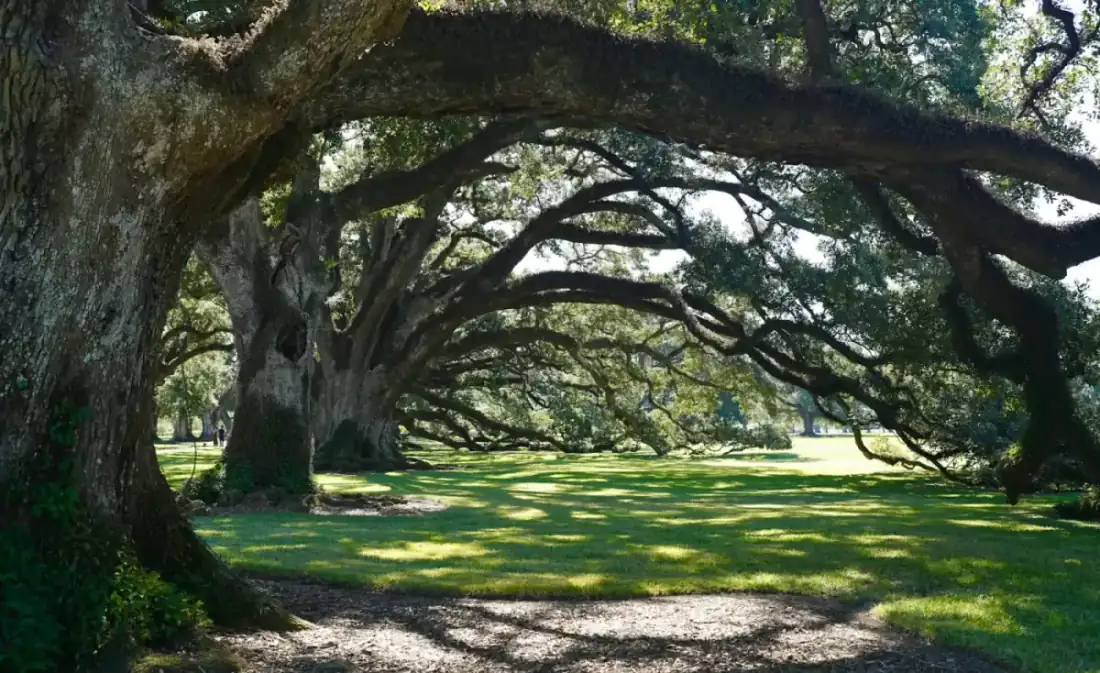
Contextual mature trees across a green lawn in a Huntsville-style setting
Contextual landscape image—not a claimed customer property, provider crew, equipment, or local office.
Independent referral websiteAt most one possible providerNo fee from this site to submitYou decide whether to hire

Choose a focused guide

Compare the Request Before You Contact a Provider

The service pages are informational starting points, not representations of completed work or promises that a particular provider is available.

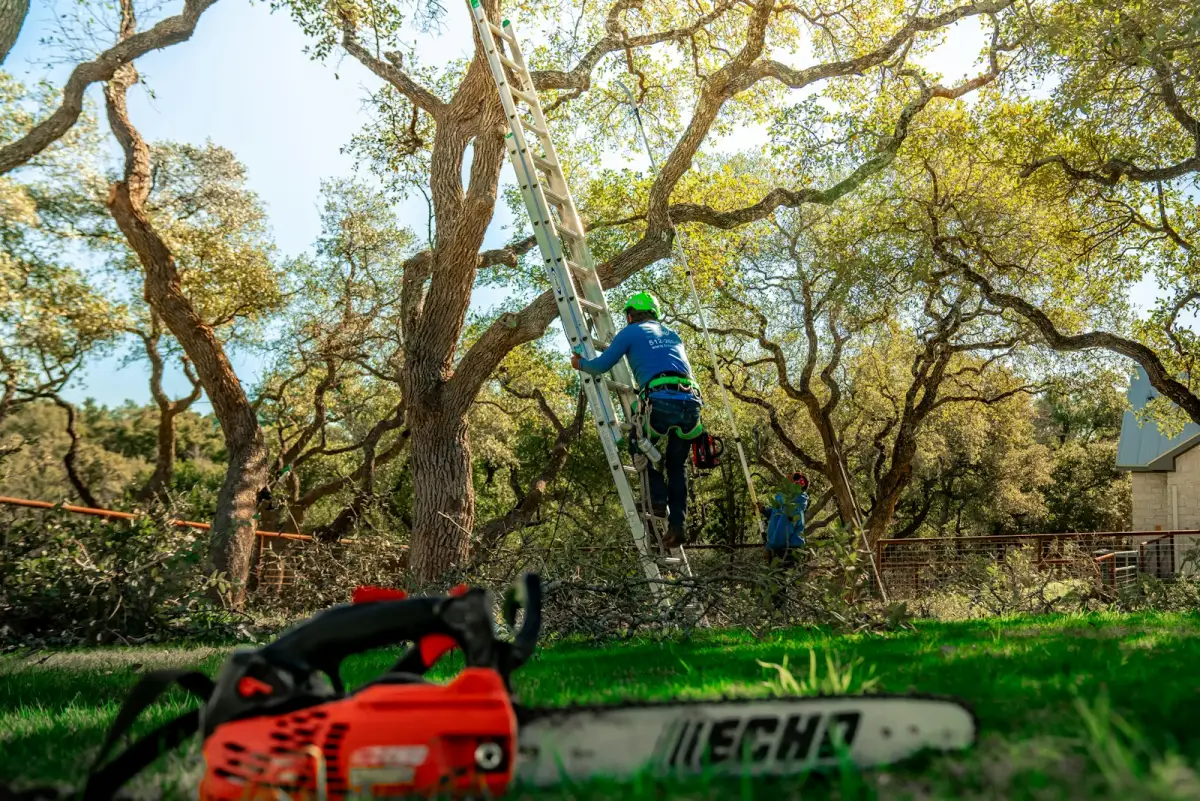
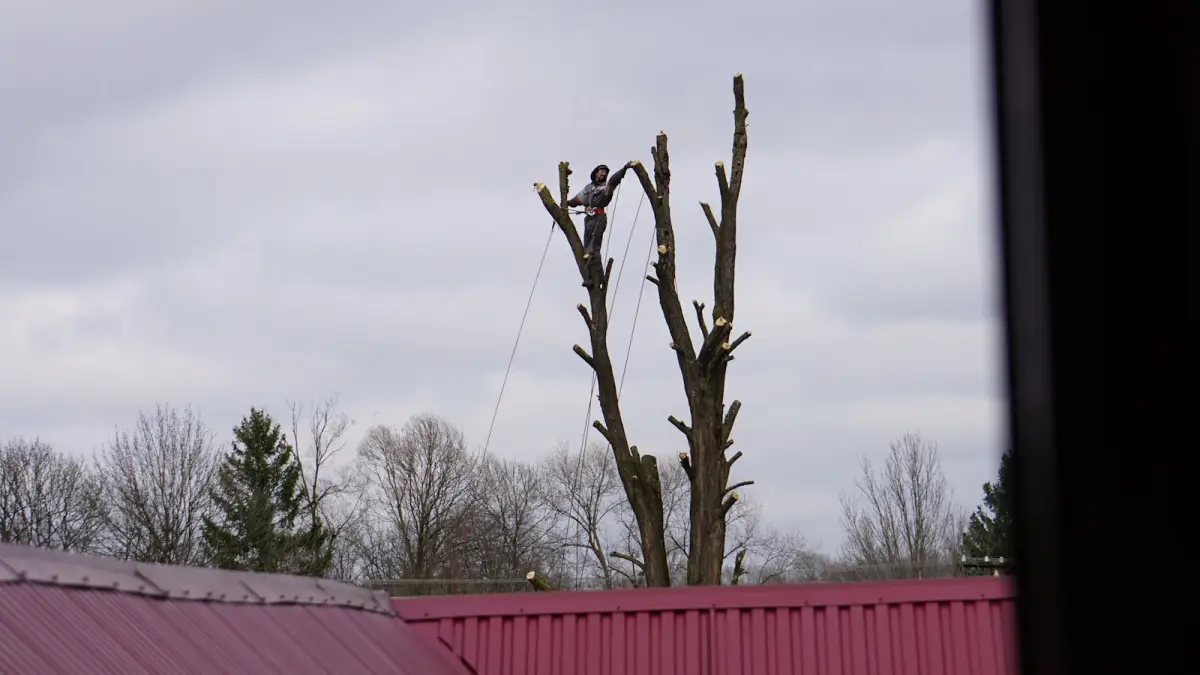
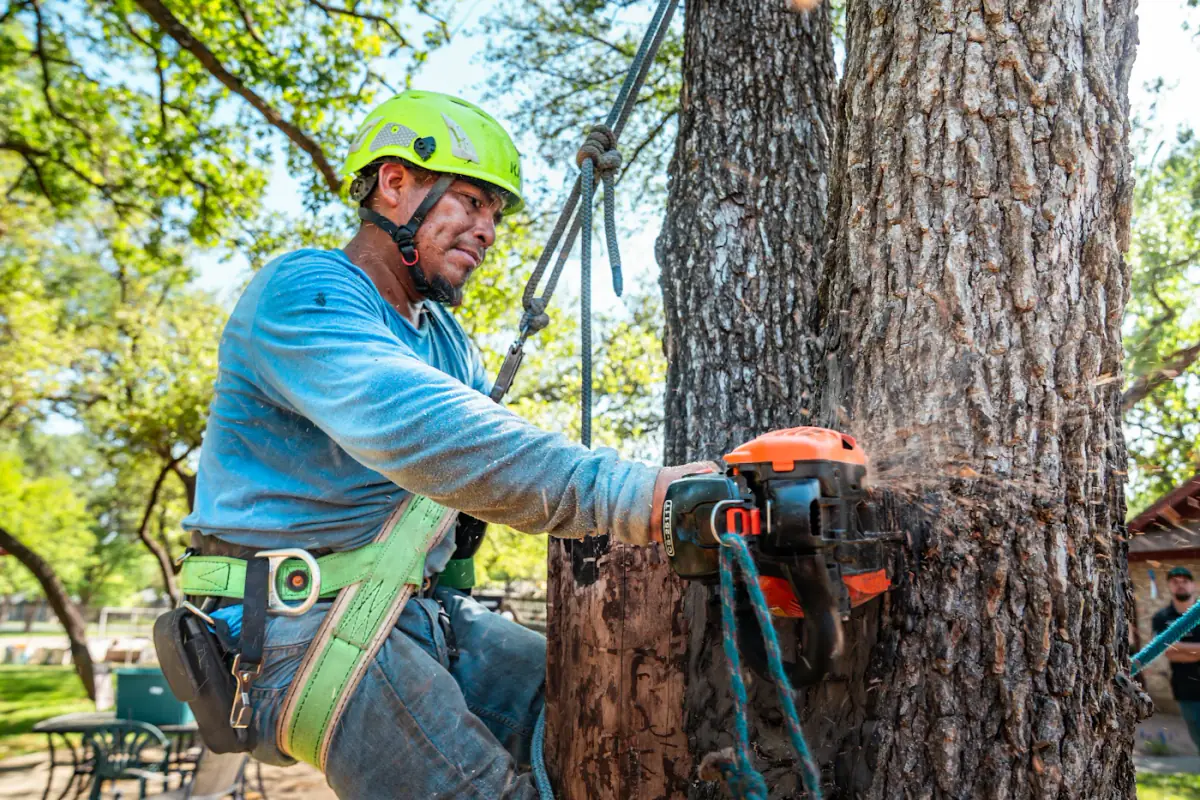
Arborist working aloft used as contextual tree-removal imagery

Guide 01

Tree Removal

Dead, declining, split, leaning, crowded, or poorly placed trees can require different removal plans. A provider may evaluate condition, load, lean, targets, rigging, drop zone, equipment access, neighboring property, and cleanup.

  • Stay outside the possible fall zone while gathering information.
  • Identify buildings, fences, vehicles, lines, and other targets.
  • Ask how the provider plans to protect the site and handle debris.
Open the complete guide →
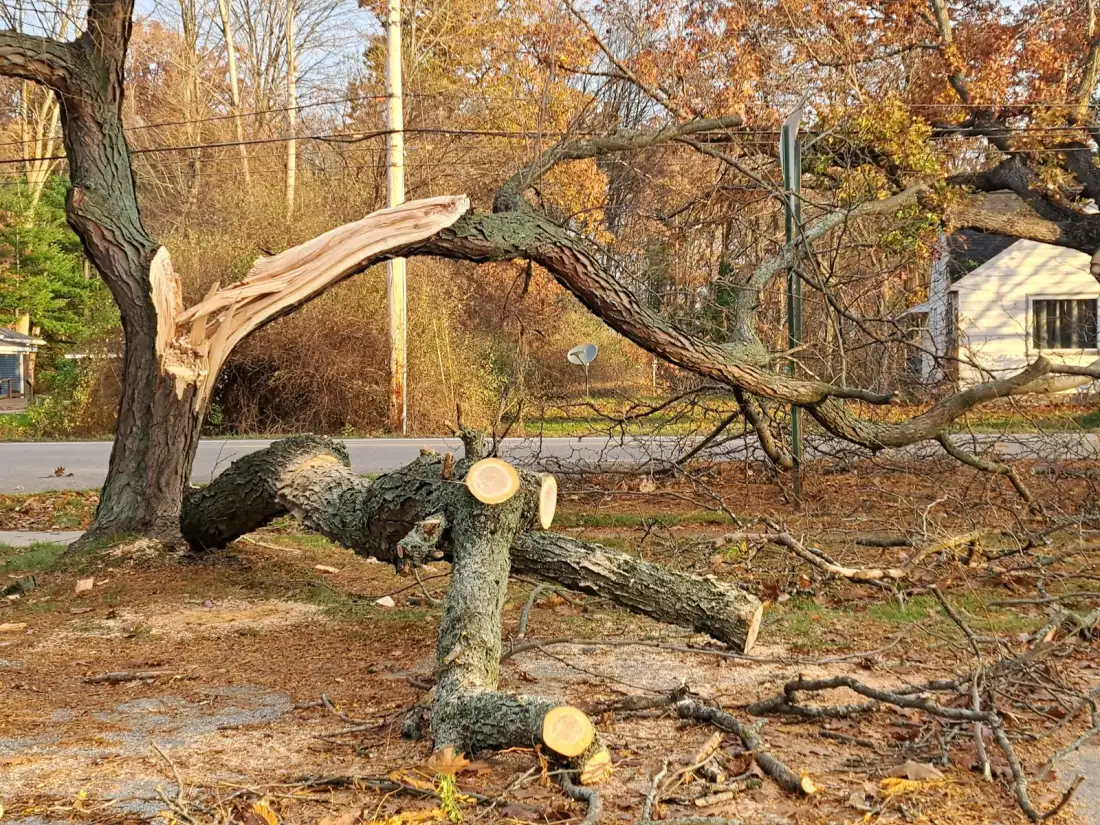
Storm-damaged tree in a yard used as contextual urgent tree-work imagery

Guide 02

Storm and Urgent Tree Work

A split, uprooted, suspended, or fallen tree can shift without warning. Immediate danger to people, an occupied building, a public road, or electrical conductors belongs with emergency services or the utility first.

  • Keep everyone outside the fall zone and away from downed lines.
  • Do not cut bent, hanging, or loaded limbs yourself.
  • Tell the provider what is blocked and whether the site can be approached safely.
Open the complete guide →
Tree workers climbing to trim branches used as contextual pruning imagery

Guide 03

Tree Trimming and Pruning

Deadwood removal, clearance, structural pruning, canopy reduction, young-tree training, and risk concerns are different goals. A provider should explain the objective, cut selection, access method, cleanup, and expected limitations.

  • Describe the problem you want solved—not only how much to cut.
  • Identify roofs, lines, streets, neighboring property, and desired clearance.
  • Avoid vague topping requests and ask how tree health is considered.
Open the complete guide →
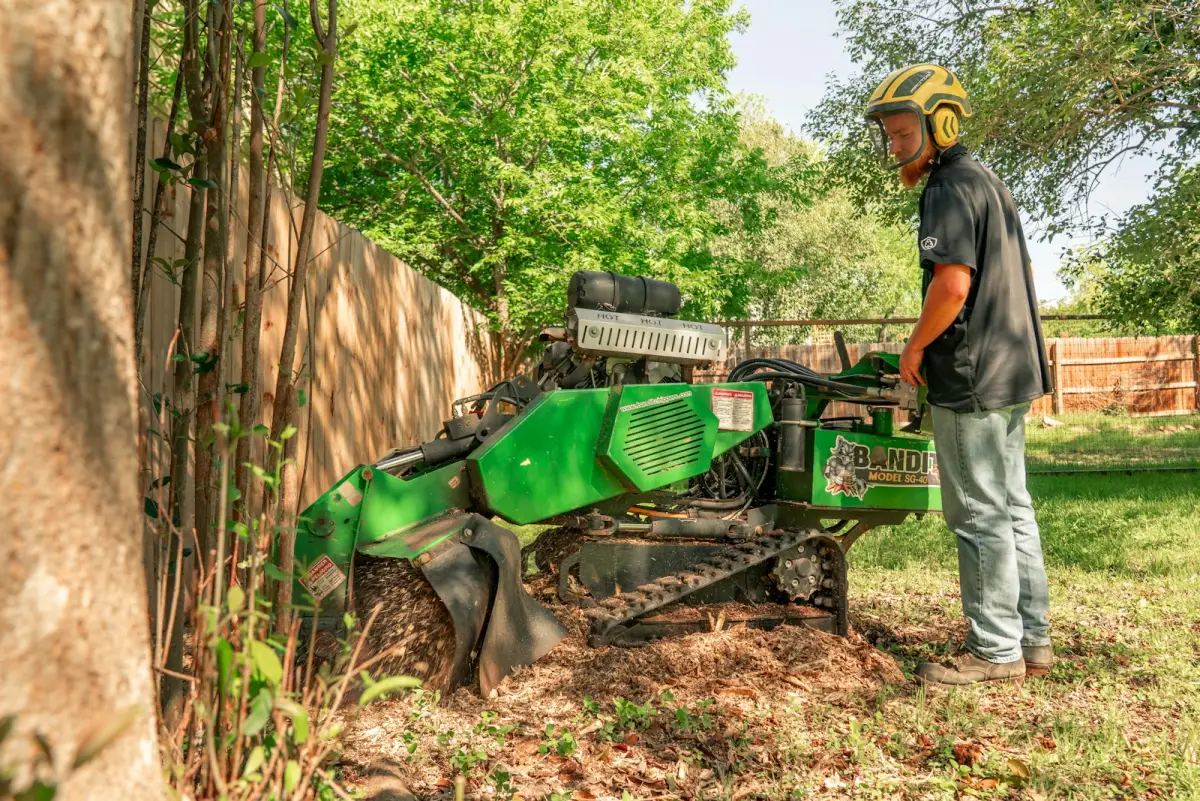
Worker operating a stump grinder used as contextual stump-service imagery

Guide 04

Stump Grinding

Stump proposals can differ on diameter, root flare, grinding depth, surface roots, access, underground utility marking, chips, hauling, backfill, grading, and readiness for grass or another project.

  • Mark irrigation, lighting, fencing, and other known obstacles.
  • Confirm who requests utility marking before work.
  • Put grinding depth, chip handling, and final surface condition in writing.
Open the complete guide →
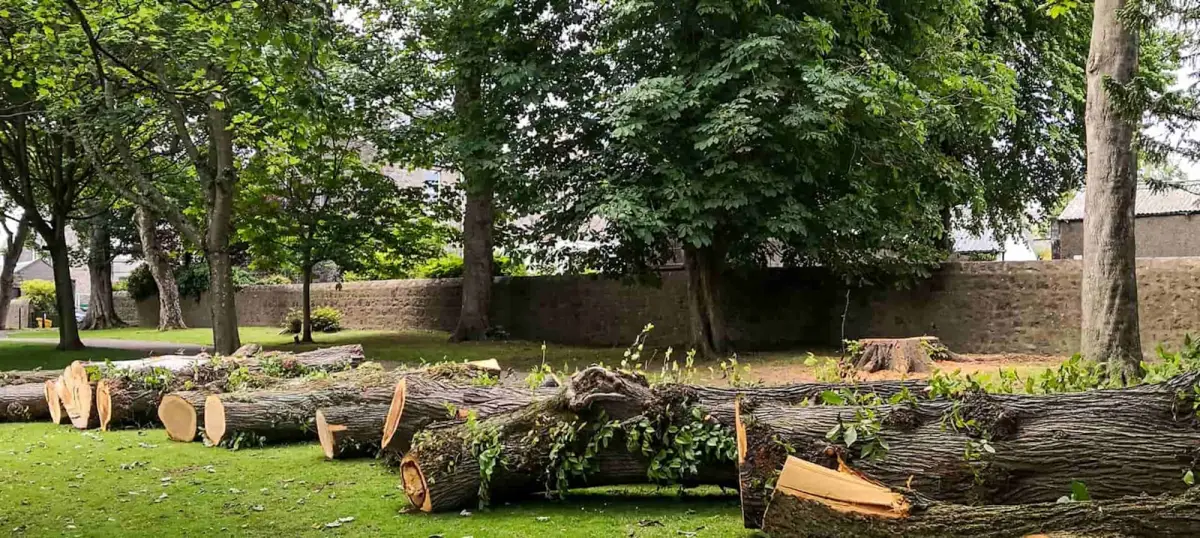
Cut logs on grass used as contextual land-clearing imagery

Guide 05

Land and Lot Clearing

A clearing request should define the boundaries, vegetation that stays, trees and brush that leave, stumps, debris handling, burning or hauling, erosion protection, access, grading, permits, and final site condition.

  • Walk or map the limits and clearly mark what must remain.
  • Ask how debris, stumps, soil disturbance, and erosion are handled.
  • Confirm permits, utilities, access, and final cleanup responsibilities.
Open the complete guide →

Before authorizing work

Ask for a Complete Written Proposal

Confirm the provider's identity, applicable credentials, insurance, diagnosis or site assessment, included work, parts or materials, labor, travel or service charges, debris or cleanup, tax, exclusions, total price, schedule, and warranty terms.

Ready to describe the Huntsville request?

Submitting does not schedule or authorize service. The request may be shared with no more than one independent provider.

Call Now: (256) 378‑9388 Request a Provider